
This post may contain affiliate links. This means I may earn a small commission at no extra cost to you. I only share products I truly love and recommend—thank you for supporting my work!
Understanding the Importance of Scent in Your Home
The role of scent within the living environment extends far beyond mere aesthetics; it profoundly influences psychological and emotional states. Research indicates that olfactory stimuli are closely linked to memory and emotion, making scent a powerful tool in shaping the atmosphere of a home. For instance, particular fragrances may evoke fond memories of childhood, holidays, or special occasions, transporting individuals back to cherished moments. This connection highlights why selecting an appropriate scent for your home can significantly enhance its overall ambience.
Moreover, the right scent can elevate mood and foster a sense of well-being. Certain aromas have been shown to reduce stress levels, promote relaxation, and even stimulate cognitive functions. For instance, lavender is often utilized for its calming properties, while citrus scents can invigorate and uplift the spirits. By incorporating these fragrances through the use of a scent diffuser, homeowners can personalize their space to align with their desired emotional states and experiences.
Finding a signature scent that encapsulates personal style is equally essential. This unique fragrance should reflect the inhabitants’ tastes and preferences, creating a cohesive atmosphere that resonates with them. A well-chosen scent can leave a lasting impression on guests, enhancing social interactions and contributing to a welcoming environment. Ultimately, the importance of scent in the home lies in its ability to not only improve the quality of life but also to encapsulate one’s identity, making the living space a true representation of the homeowner’s values and lifestyle. It is through this careful curation of scent that a harmonious balance can be achieved, leading to an enriched living experience.
Choosing the Right Scent Diffuser for Your Space
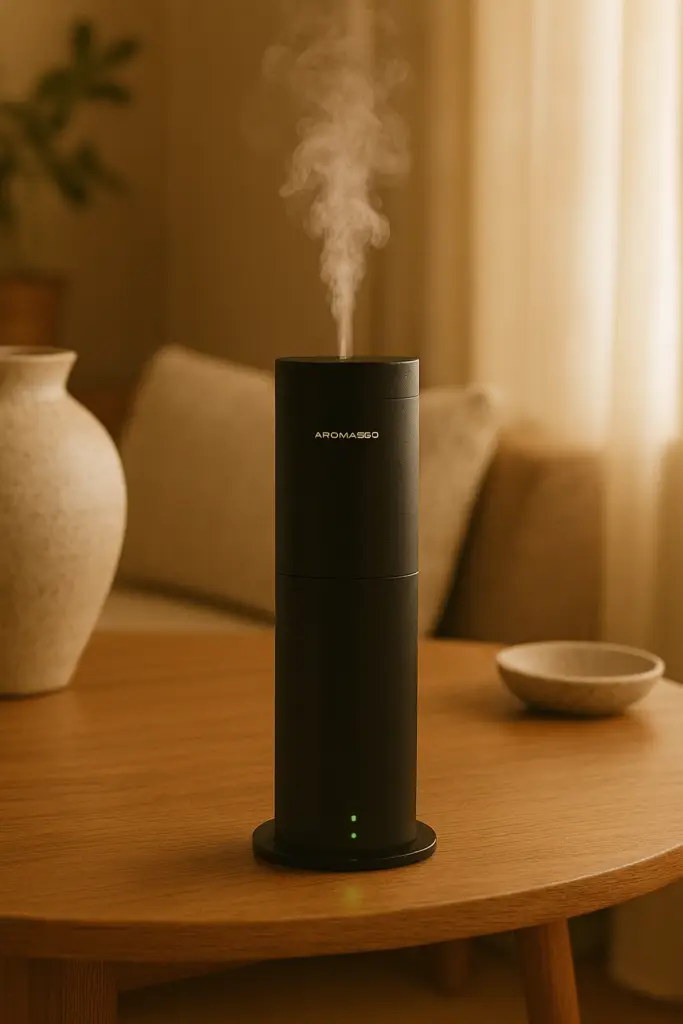
When it comes to enhancing your home environment, selecting the appropriate scent diffuser is crucial. Various options are available in the market, each designed to cater to specific needs and preferences. The three primary types of diffusers include ultrasonic, nebulizing, and heat-based models. Understanding the differences among these options will facilitate a more informed purchasing decision.
Ultrasonic diffusers utilize water and essential oils to create a fine mist, which is dispersed into the air. This type is particularly advantageous for larger rooms, as it naturally increases humidity while providing fragrance. They are also available in numerous styles, making them easy to incorporate into your home’s decor.
Nebulizing diffusers, on the other hand, do not require water and instead employ pressurized air to atomize the essential oils. This method produces a more potent scent, making it an excellent choice for smaller spaces where a robust aroma is desired. However, nebulizing models generally require more maintenance since they need regular cleaning to prevent clogs.
Heat-based diffusers use warmth to evaporate essential oils, releasing their aroma into the surrounding air. While these models are usually the most affordable, they may alter the oils’ therapeutic properties due to the heat involved. It is essential to consider this when selecting a diffuser, particularly if you are interested in the holistic benefits of specific essential oils.
Additionally, when choosing a diffuser, consider the room size, existing decor, and your personal scent preferences. For optimal scent dispersion, place your diffuser in an area with good airflow, ensuring that the scent can circulate freely. Regular maintenance, such as cleaning the diffuser as recommended by the manufacturer, is vital to preserve both the diffuser’s effectiveness and the integrity of the essential oils used.
Selecting Your Signature Scent: Tips and Techniques
Choosing a personal signature scent can be a delightful yet intricate journey, and it begins with understanding the different fragrance families. These families typically include floral, citrus, woody, herbal, and oriental. Floral scents, with their fragrant blooms, often evoke feelings of romance and freshness, while citrus scents bring a vibrant and energizing touch to any space. Woody fragrances, encompassing elements like cedar and sandalwood, exude warmth and grounding characteristics reminiscent of nature. Herbal scents introduce an earthy and calming atmosphere, and oriental fragrances hint at exotic and rich complexities.
To uncover your unique scent, initiate the process by sampling various fragrances within these families. Visiting local stores or fragrance boutiques allows you to experience the scents first-hand. It is advisable to start with a few options at a time to avoid overwhelming your senses. When testing fragrances, apply a small amount to your wrist and allow it to settle for several hours. This enables you to discern how the scent evolves over time and interacts with your natural body chemistry.
Creating a signature scent may also involve experimenting with layering different fragrances. Combining two or more scents can lead to a more personalized blend, but this requires an understanding of how different notes complement each other. A common technique is to mix a more dominant scent, like a floral aroma, with a light citrus or refreshing herbal scent. This trial-and-error approach should be taken with an open mind, as it often leads to surprising and delightful results.
Furthermore, consider the seasonality of scents when selecting your signature fragrance. Warmer months may call for lighter, fresher scents, while colder months might inspire deeper, more complex fragrances. By aligning your choice with the changing seasons, you can create a harmonious environment that resonates with the atmosphere around you.
Creating a Scented Environment: Tips for Usage and Layering Scents
Using a scent diffuser effectively involves understanding how to layer scents to create a harmonious and inviting atmosphere throughout your home. The first step is to select scents that complement one another. For example, citrus scents can be invigorating and fresh, while floral notes can add a sense of calm and tranquility. When layering, consider placing different diffusers in various rooms, each with its unique scent profile that suits the function of that space. In the living room, a cozy vanilla or warm sandalwood might promote relaxation, while a refreshing eucalyptus could work wonders in an office environment.
Establishing a routine for diffusing scents can significantly enhance your home’s ambiance. For morning hours, opt for invigorating aromas such as peppermint or lemon, which can help energize and uplift your mood as you start your day. In contrast, during the evening, consider switching to more soothing scents like lavender or chamomile, which can signal the body that it is time to unwind. By aligning scent diffusion with your daily routines, you create a thoughtful and immersive experience that resonates with you and your family.
In addition to layering and timing, incorporating natural elements into your scent experience can elevate the overall impact. Fresh flowers, herbs, or spices can complement the fragrance from your diffuser. For instance, placing a vase of flowers nearby can enhance a floral scent, while fresh herbs in the kitchen can beautifully complement the aromas released by your diffuser. Moreover, be mindful of scent dispersion timing; using your diffuser actively during gatherings or special events can set the mood, creating an inviting environment for guests. By considering these practical tips, you can tailor your scent experience to match any occasion or mood.